Partnerships
Transforming African classrooms through learner-centred teaching and technology
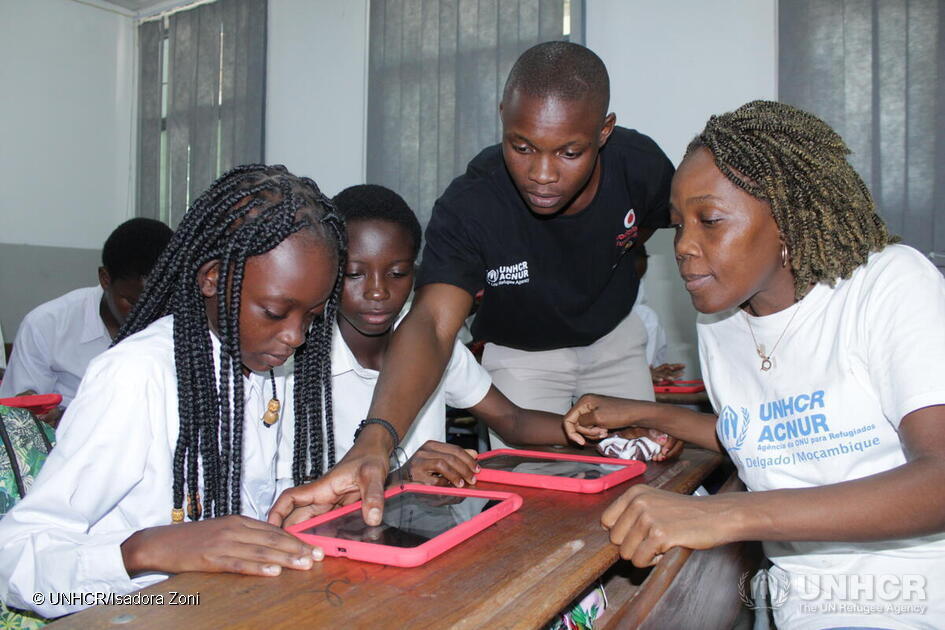
How can teachers in refugee communities effectively deliver engaging, inclusive, learner-centred education using technology? And is it possible in crowded classrooms of over 100 pupils with limited resources?
This was the challenge set to us by our long-standing partners, Vodafone Foundation and UNHCR, the UN Refugee Agency, in early 2025. Working alongside these organisations and our education and research specialists, we designed, developed and evaluated a comprehensive programme to address this challenge: Teaching for Life.
We are delighted that the evaluation findings demonstrate the campaign's impact, with 98% of teachers reporting increased competence in their teaching following the Teaching for Life training programme.
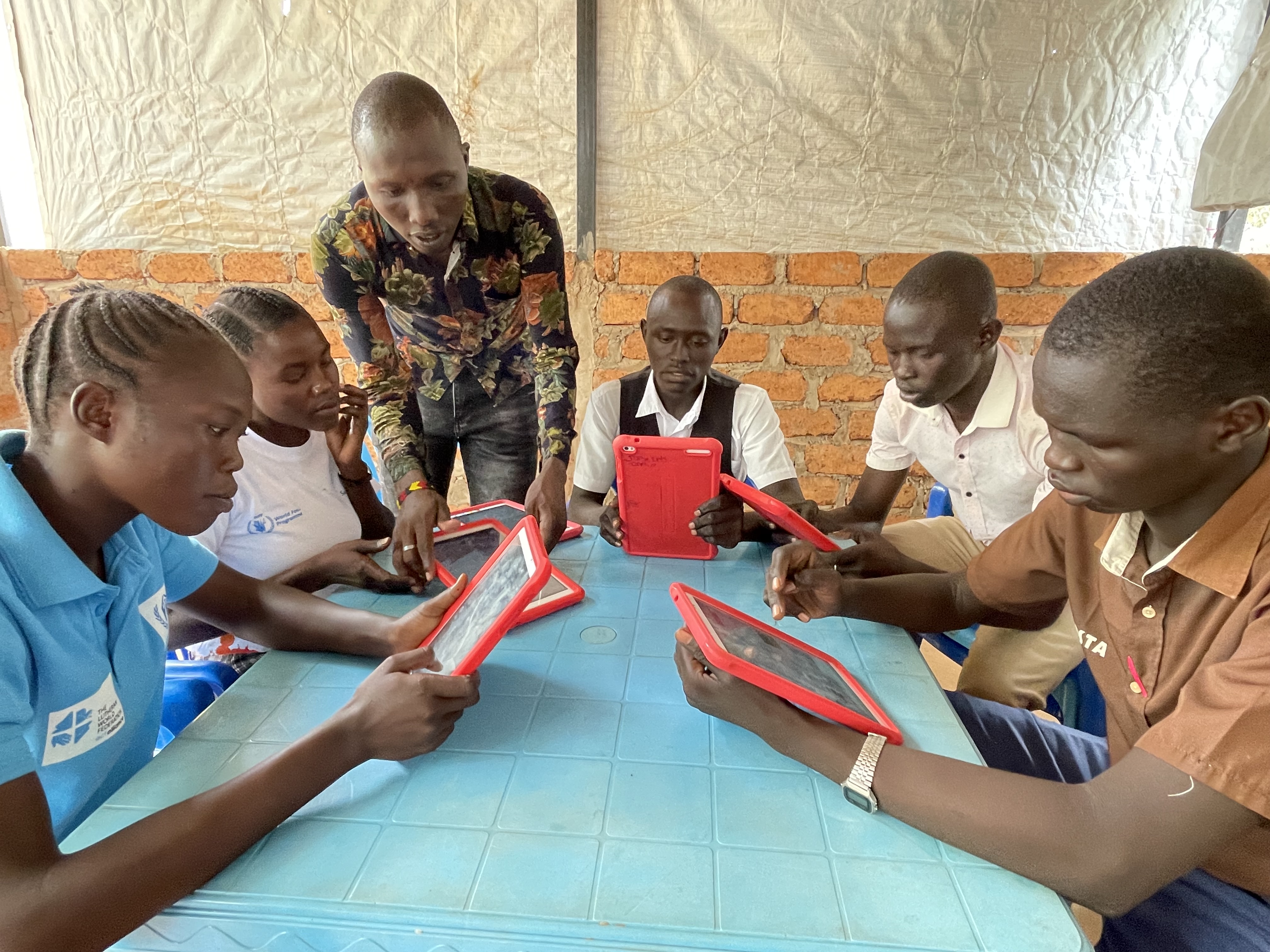
Connecting pedagogy, technology and life skills
Supporting teachers to deliver effective learning requires more than providing training or introducing new teaching techniques. It requires a coherent approach that connects educational principles with practical classroom resources, professional development and meaningful opportunities to reflect on and improve practice.
This was the thinking behind Teaching for Life, developed as part of the Instant Network Schools (INS) programme, which connects refugees, host communities and their teachers with digital learning content and the internet.
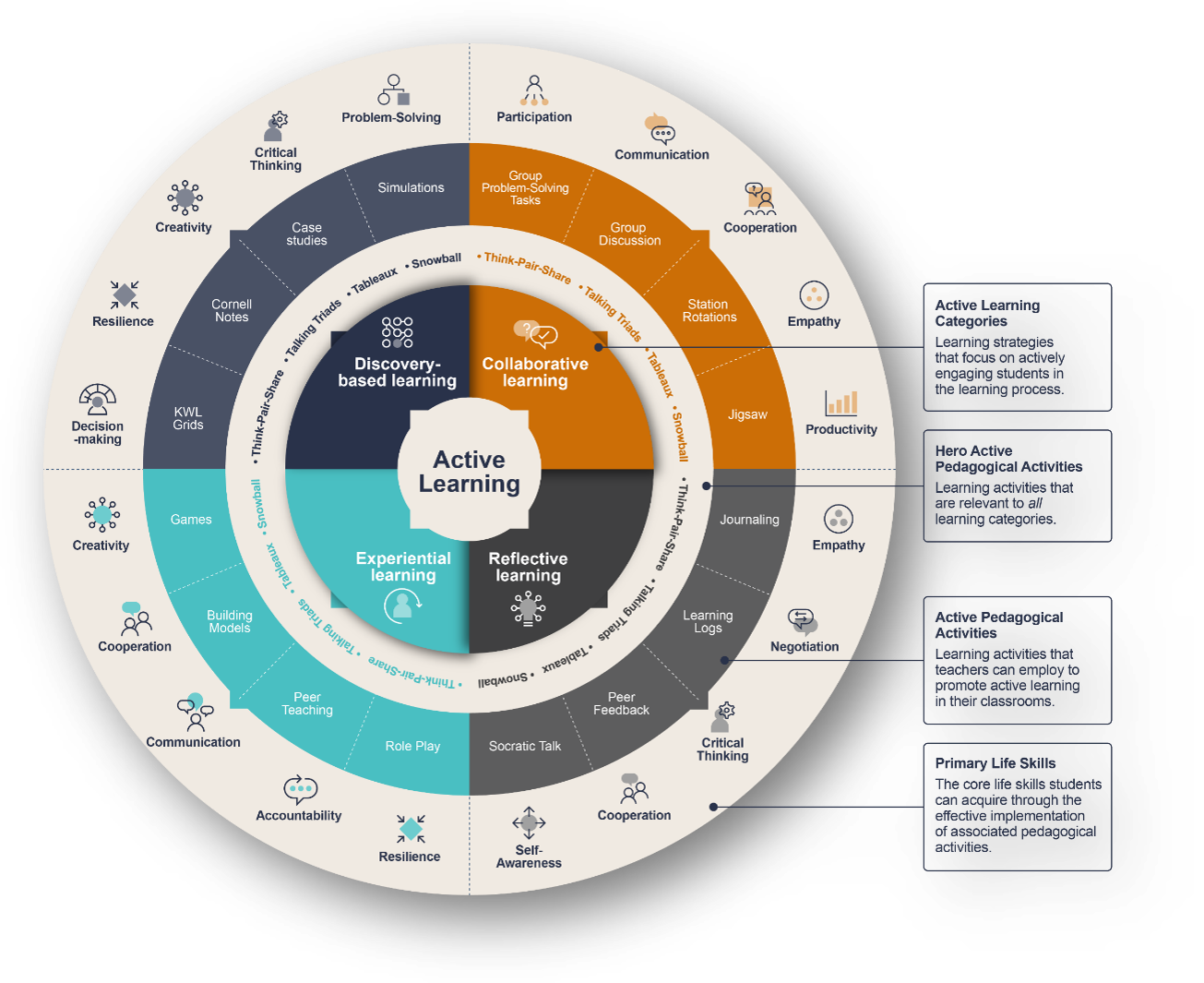
At the heart of the programme is the Teaching for Life Conceptual Framework, developed by DAUK in collaboration with education specialist Kay Tinsley. The framework provides a shared educational vision and strategic foundation for the programme, while allowing it to be adapted to different country contexts, educational environments and teachers' needs (see graphic below).
Turning principles into practice
To bring the framework to life, we developed a comprehensive beginner training package to help teachers translate pedagogical principles into everyday classroom practice. The package combined face-to-face professional development with practical teaching materials, including:
- A step-by step training guide outlining how to apply 20 learner-centred pedagogical activities
- Instructional videos providing further practical guidance, including how to effectively integrate technology into learner-centred teaching through animated video tutorials
- A podcast that explores different perspectives on learner-centred approaches
- Lesson-planning resources including example lesson plans and templates


Rather than focusing solely on theory, the training encouraged teachers to experience and practise different approaches, reflect on their existing teaching methods and consider how they can adapt their practice to better support learners.
The emphasis is on building confidence and competence, giving teachers techniques they can use immediately, even in over-crowded classrooms where resources and technology may be limited.
Measuring what matters: Evaluating impact
A further important component of our work was designing and undertaking a monitoring and evaluation study to understand whether Teaching for Life was making a measurable difference to teachers' knowledge, confidence and classroom practice.
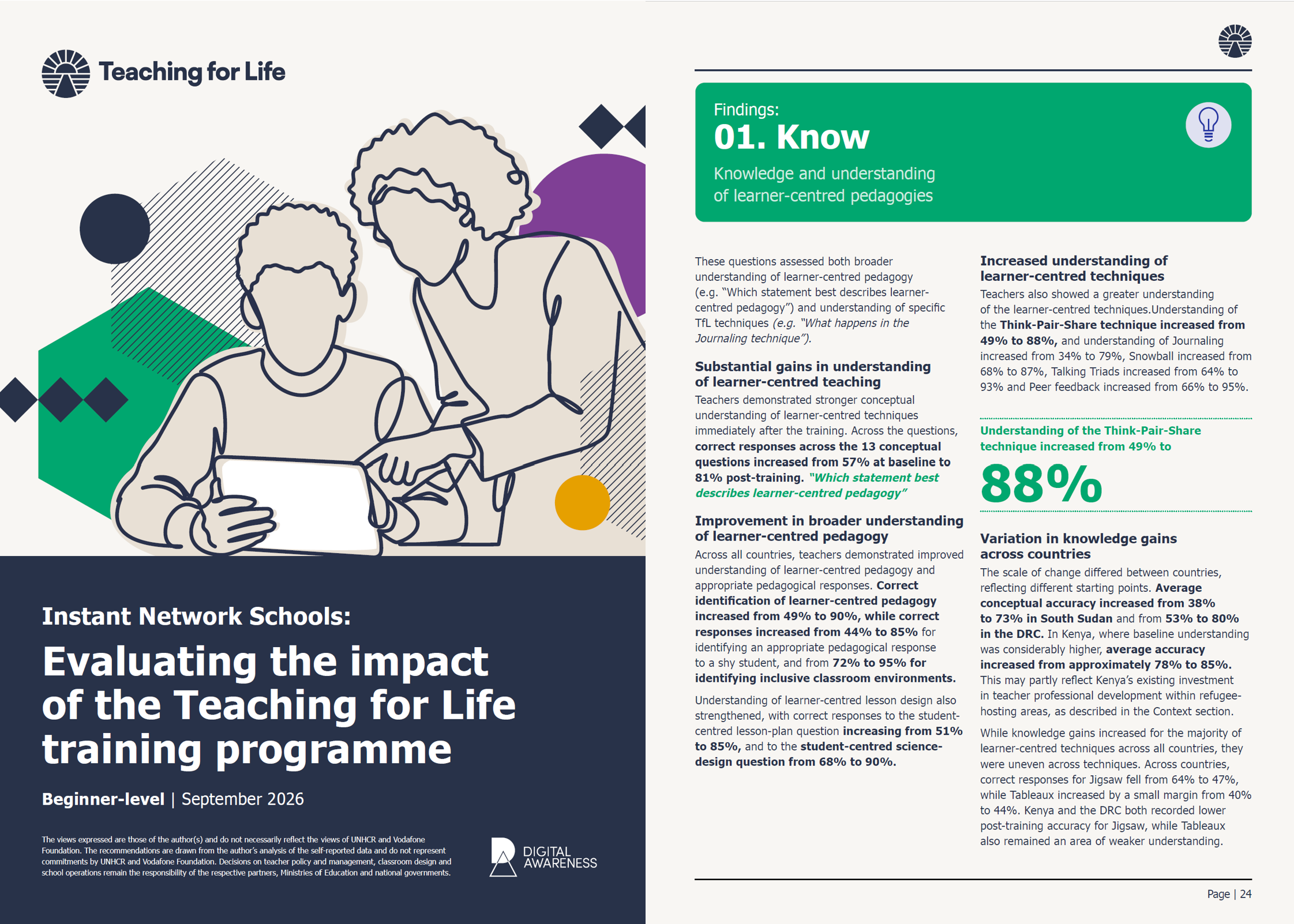
Working with Dr Emily Setty, we designed a study that used a mixed-methods approach, bringing together pre- and post-training assessments, six-month follow-up data and focus groups across the participating countries. The sample comprised of 174 teachers across the DRC, Kenya and South Sudan and enabled us to look beyond immediate training feedback and explore how learning was being applied in practice.
The findings demonstrated significant improvements across key areas of teaching practice.
Across the pooled pre- and post-training data, teachers' knowledge of learner-centred teaching increased from 57% to 81%. Crucially, the findings also highlighted the programme's impact on teachers' confidence and perceived competence. At the six-month follow-up, 87% of teachers reported feeling more confident as facilitators of learning and 98% felt more competent in their teaching.
These results provide encouraging evidence that a structured, practical approach to teacher development can help strengthen pedagogical knowledge, build confidence and support more effective classroom practice.
"The children are free among themselves. That’s how they find themselves at ease in front of you. Then it gives a joyful atmosphere in the classroom, an atmosphere of professional love for the facilitators and even the pupils"
Teacher from the DRC speaking about the impact the Teaching for Life programme has had on teachers and learners
Click here to read the full evaluation report.
Designing education programmes that make a difference
For Digital Awareness UK, this reflects the breadth of our work: combining highly contextualised educational strategy, curriculum and content development, instructional design, professional development and monitoring and evaluation to create programmes that respond to real-world needs.
We work with partners to turn ambitious educational objectives into engaging, contextually relevant learning experiences, supported by the resources, training and evidence needed to understand their impact.
subscribe to our newsletter


